Make, Ride, and Explore: Craft Journeys by Rail and Bicycle

Join us as we explore Hands-On Craft Itineraries: Workshop-Based Travel Routes by Train and Bike, pairing the soothing cadence of rail journeys and the freedom of cycling with immersive workshops in clay, wood, textiles, metal, and print. You will meet generous craftspeople, learn locally rooted techniques, and shape keepsakes guided by landscapes, conversations, and motion. Expect practical guidance, heartfelt stories, and flexible routes that help you create art with your own hands while traveling lightly and meaningfully.

Why Rails and Trails Elevate Creative Discovery

The rhythm that sparks focus

Rail lines draw soft lines through a country, giving your mind room to settle before you set hands to material. The predictable cadence of wheels and the quiet of bike paths together help you arrive ready to listen, observe, and learn. That steady focus becomes the difference between copying a technique and absorbing its spirit, allowing you to translate lessons into confident, personal making.

Lower impact, deeper connection

Traveling by train and bike often reduces your footprint while increasing your time with artisans and communities. When you move more slowly, small details emerge: the smell of sawdust near a mill, the rhythm of a loom behind a cafe, the clay tones of a hillside. That closeness nurtures responsibility and gratitude, encouraging respectful exchange and purchases that sustain workshops long after you ride away.

Learning that lasts beyond the trip

Hands-on sessions imprint differently when they are framed by journeys you feel in your body. The muscle memory of pedaling, the gentle sway of a carriage, and the tactile feedback of tools braid into one experience. Later, when you sit at your own bench, a sound or scent recalls a teacher’s gesture, and your hands repeat it naturally, making knowledge durable, personal, and shareable.

Designing a Route That Flows

A good craft journey links studios the way a necklace threads beads: each stop complements the next, with generous space for rest, reflection, and unplanned wonder. Start by mapping workshops within cycling distance of stations, then consider gradients, daylight, and local opening days. Build buffers for drying, firing, or finishing, and remember that one extra coffee with a friendly maker can be the highlight you never expected.

Studios within easy reach of stations

Search for workshops located within a comfortable ride or short walk from train stops, prioritizing routes with safe lanes and clear signage. Reach out to makers to confirm timing, class sizes, and material availability. When distances stretch, plan midway pauses in parks or markets to keep energy high. Keep contingencies for rain or delays, and celebrate nearby surprises like small museums or tool shops.

Stitching timetables into creative time

Balance train schedules with workshop durations by favoring morning arrivals and late-afternoon departures. Allow time to wash hands, hydrate, and decompress before learning, because a calm body receives instruction better. Mark station amenities, locker options, and bike accommodations. If a class runs long, be ready with alternate trains or extra snacks, choosing flexibility over rush, so attention remains on craft rather than clocks.

Packing lightly while staying capable

Select compact, multi-use gear: a foldable helmet, breathable work shirt, thin gloves, and a slim notebook with waterproof cover. Use panniers with internal sleeves for flat samples and a padded tube for delicate rolls. Keep tape, paper, and cloth wraps for fragile items. Carry a small first-aid kit, refillable bottle, and electrolyte sachets to protect energy. Your body, tools, and newly made pieces will thank you.

A Two-Week Sample Loop to Inspire You

Imagine a coastal-to-highland circuit shaped by regional trains and gentle bike stages, offering clay by the sea, wood in forest villages, and textiles among breezy hills. Each leg favors short distances, scenic stops, and generous teaching. You’ll meet hosts who welcome curiosity, share meals that tell stories, and guide you from first touch to finished piece. Use this outline as a springboard and personalize boldly.

Days 1–4: Clay beside the salt air

Begin near the coast where salty breezes soften nerves and clay stays workable. Morning wheel sessions teach centering and consistent walls; afternoons explore hand-building and expressive surface marks. Between trains and short rides, visit kilns, sketch shoreline textures, and sip tea while your mugs dry. Evenings are for glazing tests, quiet walks on piers, and conversations about form, function, and personal ritual.

Days 5–9: Woodcraft through forest lanes

Ride inland along shaded paths toward villages known for careful joinery and tool lore. A patient instructor shows how grain dictates direction, why sharp edges matter, and how to read knots. Build a simple stool, carve a spoon, or repair a chair. Picnic under pines, then catch a regional train to the next hamlet. Each piece you finish carries scents of resin, sawdust, and wind.

Logistics for Smooth Making and Moving
A little preparation keeps the journey graceful. Understand bike reservations and carriage limits, pack materials for safe transport, and protect your hands so learning stays comfortable. Anticipate weather shifts, drying times, and market hours. Maintain tools and bikes with short daily rituals. Ask questions early and confirm policies kindly. These small habits free your attention for what matters most: showing up curious and ready to make.

Bikes on board without surprises

Policies vary by operator and route, so always check whether reservations are required, how many spaces exist, and which doors you should use. Arrive early, remove panniers before boarding, and secure straps so aisles remain clear. If folding bikes simplify logistics, consider them. When space is tight, ride a short segment instead, turning necessity into an unexpected scenic interlude filled with fresh air.

Transporting delicate creations safely

Wet clay, green wood, and fresh textiles need care. Use breathable wraps for damp items and rigid folders for flat samples. Label everything with dates and processes to track progress. Ask studios about local firing or finishing options to reduce transport risk. Consider mailing finished pieces home with protective packaging. A lightweight tote dedicated to works-in-progress keeps curiosities safe and separates them from snacks.

Real Moments from Makers and Miles

Stories anchor memory better than schedules. A chipped mug saved by a deft repair teaches humility; a forest bench built from windfallen wood captures patience; a scarf woven between storms whispers resilience. These encounters happen because you move slowly enough to notice. When a train pause becomes a sketching session or a detour reveals a mentor, craft and travel entwine into something beautifully personal and lasting.

A mug that found its balance

On a bright morning, a learner centered clay too quickly and the cylinder collapsed. After a calming bike ride to a nearby harbor, they returned to the wheel with steadier breath. Guided by a gentle tip—slow your elbows, feel the floor—the next pull rose true. Later, sipping tea on the train, they realized the journey itself had taught patience their hands could finally trust.

A repaired chair with a longer story

In a village workshop, an old chair arrived with a wobble and a postcard tucked beneath the seat. The craftsperson showed careful diagnostics, then invited guests to clamp and glue alongside them. By sunset, the wobble was gone, and the postcard gained new ink: today’s date, shared names, gratitude. Cycling away, everyone felt the road steadier, as if good joinery echoed beneath every pedal stroke.

Costs, Safety, and Accessibility Without Stress

Clarity turns planning into freedom. Compare point-to-point tickets with passes, remember that off-peak times can be calmer and sometimes cheaper, and ask workshops about sliding scales or community days. Wear visible layers when cycling, use lights early, and store valuables securely. Seek studios with step-free entrances, adaptable tools, and patient instructors. Thoughtful choices widen the circle, inviting more people to learn, ride, and create together.

Add Your Voice and Keep the Wheels Turning
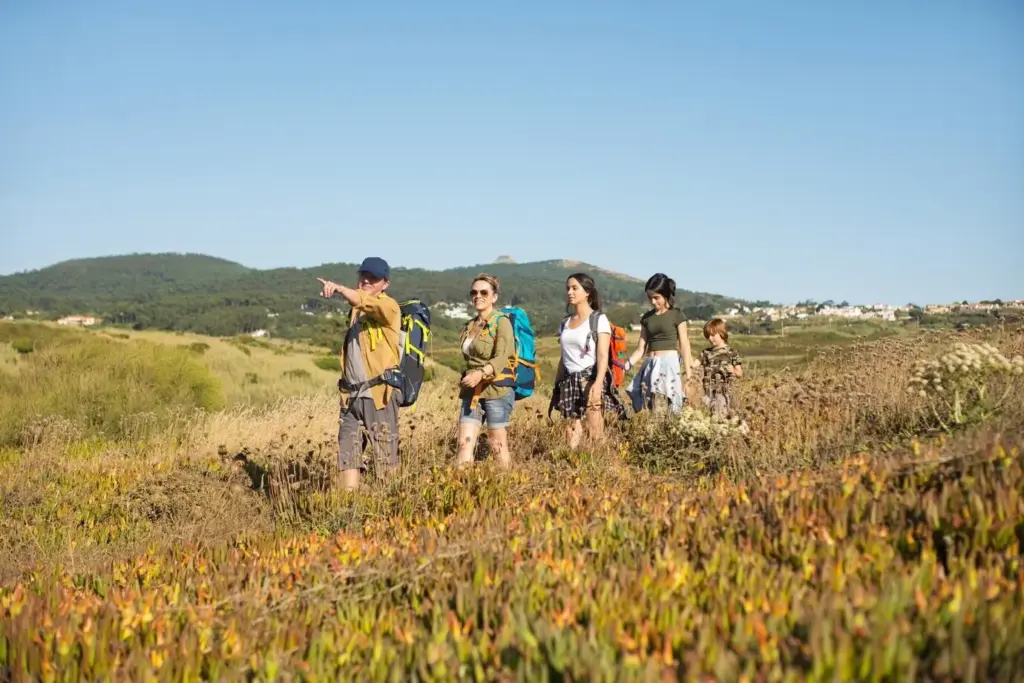
Your experiences help others build meaningful journeys. Share photos of finished pieces and the landscapes that shaped them, recommend kind instructors, and note practical details like bike spaces or packaging tricks. Ask questions, exchange sample swaps, and record your favorite cafe near a station bench. Subscribe for monthly route ideas, and tell us what you want to learn next. Together, we keep curiosity traveling kindly.

Ask for ideas and give guidance

Post your questions about distances, workshop pacing, or material sourcing, and answer someone else with what you discovered. Specifics matter: how a hill felt with panniers, which market sold sturdy wrapping paper, or where to refill bottles. Honest notes—successes and stumbles—lower barriers for newcomers, building a helpful loop where advice cycles back, improved by every pair of hands and wheels.

Share your map, tools, and small wins

Upload a simple route sketch, list your compact kit, and celebrate tiny breakthroughs like smoother centering or cleaner chamfers. Mention the station bench where a friendly stranger offered tape, or the bakery that saved a drizzly morning. These generous breadcrumbs help others discover momentum when plans shift. Confidence grows quickly when we remember that journeys are made of many forgiving, improvable moments.
Xuluvoxoketalikuzekafa
Privacy Overview

This website uses cookies so that we can provide you with the best user experience possible. Cookie information is stored in your browser and performs functions such as recognising you when you return to our website and helping our team to understand which sections of the website you find most interesting and useful.