From Snowline to Sea: Handcrafts on a Patient Path
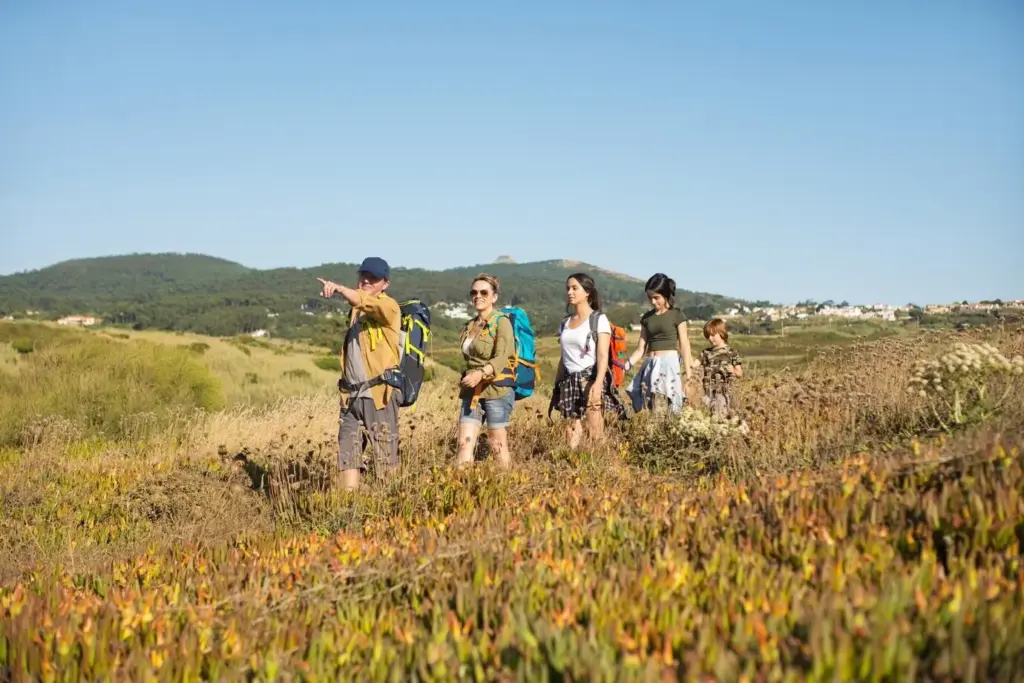
Today we journey with Alps to Adriatic Slowcraft, celebrating makers who carry mountain calm and coastal clarity into every object they shape. Expect stories of wood and wool, stone and salt, knives and lace, boats and slippers, apprenticeships and markets, plus gentle ways to support the livelihoods that keep this landscape’s soul intact. Walk with us along ridgelines and harbors, listening for the quiet rhythm of tools, the rustle of fibers, and the shared heartbeat that turns raw materials into lasting companions.

Roots in the High Country

Up where the air thins and the bells of grazing herds travel far, patience becomes a daily practice. Mountain winters demand durable beauty, so workshops tucked behind wooden shutters hum with careful gestures. Hands memorize grain, weight, and weather, responding to spruce and larch, felted wool and seasoned steel. These crafts did not appear suddenly; they grew from necessity, then stayed for love. Each finished piece still carries a faint echo of frost, pine resin, and chimney smoke, even when it finally reaches the sun-warmed coast.
In Dolomite valleys where cliffs blush pink at dusk, carvers coax devotion and daily life from calm blocks of limewood. Saints, masks, nativity figures, and supple forms emerge through hundreds of strokes, each guided by lessons whispered across generations. Finishing takes time: fine sanding, natural oils, soft cloths. Tourists often see only the display shelf, not the early dawns, the sharpening rituals, the careful storage of boards so they dry without warping. When you hold a figure, you hold the remembered shape of countless mornings.
Snow-fed streams once powered fulling mills where warm fleece transformed under rhythm and roar. Shepherd families spun thick yarn to outlast storms, then dyed it with walnut husks and alpine plants, before felting insoles or knitting hardy socks. Today, young makers return to those methods, collaborating with designers who value warmth with a conscience. The result is clothing that remembers pasture paths, potato soups, and festival dances, yet sits comfortably beside contemporary silhouettes. Each stitch keeps a flock, a hillside, and a knowledge system alive.

Lace, Boats, and the Language of Patience

Closer to sea level, fingers and planks speak in tiny clicks and long curves. Bobbins whisper, tar warms, and timbers bend gradually beneath steam and persuasion. Slowness is not hesitation; it is elegance, a deliberate refusal to rush what must be absorbed by body knowledge. Whether a lace border for a wedding blouse or a shallow-draft boat resting on pebbles, each artifact belongs to families and festivals, to midnight repairs and early-morning launches, to a coastline teaching humility with sudden winds and forgiving bays.

Materials, Slowness, and Honest Sustainability

Timber With a Second Life

Spruce and larch felled by heavy weather can find redemption in skilled hands. Boards are milled with an eye for knots that tell storm stories, then stacked to dry under eaves where swallows nest. Carvers, cabinetmakers, and instrument builders accept the wood’s unplanned character, celebrating irregular grain as living memory. When finished, surfaces shimmer with oils that protect without plastic shine. Scratches age gracefully, like smile lines, inviting repair instead of replacement. Each piece says, softly, that resilience can be beautiful and imperfections can feel generous.

Dyes and Finishes With a Sense of Place

Walnut husk browns, madder reds, and broom yellows shift subtly with altitude and soil, reminding wearers that color was once a conversation between plants and people. Artisans test batches like cooks, recording water hardness and weather moods. A shawl dyed during dry winds might differ from one born after rain, and that variance is cherished. Beeswax, linseed, and casein paints seal wood with breathable protection, avoiding synthetic films. The result feels quiet against the skin, warm in winter, cool in summer, and friendly during years of loyal use.

Stone, Clay, and Salt

Karst limestone carves into pale bowls that chill water, while clay from low hills spins into cups carrying the aroma of morning coffee. Along shallow salt pans, crystals grow patiently, harvested with wooden rakes and sunlit shoulders. Makers fold that mineral brightness into soaps, cured hides, and simple preserves. Materials travel short distances by habit, not trend, so pieces carry tiny maps within them. When you hold a vessel here, your fingers pick up the coast’s hush, the plateau’s clarity, and a promise of longevity.

Routes Between Peaks and Ports

The old desire paths of shepherds now echo under hikers’ boots, cyclists’ tires, and curious footsteps following the Alpe-Adria Trail toward Trieste’s mirages. Between inn kitchens and market squares, craft appears like punctuation: a bowl borrowed for soup, a blade offered for bread, a scarf thrown over a chair. Travel slowly and doors open. You might be invited behind a counter to stir a dye pot, test a chisel, or lift a hull. These routes reward those who ask good questions and linger afterward.

Encounters on the Alpe-Adria Trail

Walkers tracing valleys through Carinthia, Slovenia, and Friuli Venezia Giulia often meet makers by accident: a spinner resting in shade, a smith leaning at a doorway. Smile, greet, and accept a short detour. Trails teach recalibration as much as direction. When raindrops appear, shelter arrives as a workshop roof, and conversations bloom over steaming cups. The trail ends at the sea, but the meeting often endures, arriving home tucked beside a bus ticket, a small knife, or the smell of woodsmoke inside your jacket.

Markets Worth Waking Early For

In mountain towns, stalls unfold before sunrise, displaying carved spoons, wool caps, and sturdy baskets that calmly refuse seasonality. Down in coastal squares, ceramics clink softly while fishermen bargain nearby. Fairs in Udine, Ljubljana, and smaller villages feel both festive and useful, offering repair booths and demonstrations rather than only displays. Arrive with cash, curiosity, and time to ask who made what. Makers remember good listeners, and purchases come with stories that warm long winters and help you care for objects with grace.

Cross-Border Friendships

Here, languages lean toward one another. Greetings slip between Italian, Slovene, and German without fuss, while techniques travel even faster: a knot praised in one valley is adapted in another, a knife edge revised after feedback over coffee. Collaborations grow from shared materials and weather, not paperwork. A boatbuilder recommends a carver; a lacemaker introduces a dyer; a shepherd points the way to a weaver. The border becomes a thread everybody holds together, tying fairness, curiosity, and humor into projects that feel naturally at home.

Design Today, Memory Intact

Contemporary studios in Trieste, Ljubljana, and the Alpine arc partner with workshops to honor lineage while solving modern needs. Instead of chasing novelty, they refine usability: handles that fit many hands, textiles that breathe through heatwaves, storage that adapts as families change. Digital tools support measuring, not replace making. When an object enters daily life, it should calm rather than shout. That is the quiet revolution here: progress without amnesia, beauty without waste, and comfort that doesn’t erode the places it pretends to celebrate.

Collaborations That Breathe

Textile collectives sit beside felters experimenting with sculptural forms, while cabinetmakers invite ceramicists to craft handles like river stones. Designers bring clarity about ergonomics and accessibility; artisans bring depth, resilience, and a sense of weather. Together, they resist fast cycles by valuing timelessness without stiffness. A slipper brand revives recycled rubber soles inspired by Friulian tradition and pairs them with marine-durable stitching learned from boatyards. The result feels inevitable, like a melody you think you knew, finally sung by the right voices together.

Repair as a Daily Art

Darning mushrooms sit like talismans on kitchen tables, while visible mending turns scars into horizon lines. Knife sharpening becomes a gathering, not a chore. Workshops offer quick lessons, then hand you the stone so muscle memory can grow. Makers guarantee repairs because they trust materials and teach you to trust your hands. Learning maintenance changes the relationship: you stop fearing wear and start welcoming patina. A cared-for object absorbs your seasons the way vineyards absorb sun, storing memories for a future you will understand later.

Digital Windows for Handmade Lives

Webshops, short films, and newsletters open doors without flattening people into product pages. Videos linger on the rhythm of planing, the gleam of beeswax, the shy smile after a perfect seam. Buying directly supports tuition for apprentices and fair wages for elders. Algorithms can be kind if we feed them kindness: good photographs, honest timelines, and transparent costs. Every parcel shipped includes a tiny piece of place—a postcard, a scent of wood, a fragment of pattern—reminding you that screens can still lead to handshakes.

Join the Journey

Your choices keep this mountain-to-sea corridor vibrant. Visit slowly, buy deliberately, and tell friends about the hands behind your favorite mug or scarf. If distance keeps you home, write a note to a maker, leave a kind review, or sponsor a student’s tools. We will continue sharing routes, interviews, and seasonal guides so your curiosity finds good paths. Add your voice to this conversation and help ensure that patience, craft, and landscape remain companions rather than marketing words.

Ways to Support Makers Today

Choose direct purchases from workshops or verified cooperatives, and ask with respect about timelines so pressure never forces shortcuts. Consider paying deposits that stabilize material costs. If prices stretch your budget, commission repairs or small items that still carry the same lineage. Share their stories on channels you genuinely use, and introduce friends who might become long-term patrons. Above all, treat objects as relationships. That mindset may be the most generous gift you can offer this quiet, sustaining economy.

Share Your Encounters

Tell us where you found quiet excellence: a hillside bakery using a local knife set, an inn with hand-thrown cups, a lakeside stall weaving memories into straw. What did you learn, smell, hear, and taste? Which questions unlocked smiles? Comment, reply, or send a letter. We gather these notes like field recordings, then follow your leads to meet new people respectfully. With permission, we will map these journeys so others can arrive as guests, not consumers, and leave as steady friends.

Subscribe for Slow Letters

Receive occasional dispatches that read like unhurried walks: interviews with apprentices, restoration diaries, seasonal materials, and gentle invitations to events along ridges and harbors. No spam, no panic. Just well-made sentences about well-made things, delivered at a pace that honors the work. Reply with your questions or wishes, and we will shape future guides together. Your attention becomes a small workshop of its own, turning shared curiosity into support that keeps tools sharp, boats floating, and lace patterns dancing across generations.
Xuluvoxoketalikuzekafa
Privacy Overview

This website uses cookies so that we can provide you with the best user experience possible. Cookie information is stored in your browser and performs functions such as recognising you when you return to our website and helping our team to understand which sections of the website you find most interesting and useful.